
Surfaces Designed for Daily Vehicle Traffic
Driveways, Pavers & Decorative Concrete Finishes in Maryland for properties needing durable entry surfaces that resist cracking and oil staining
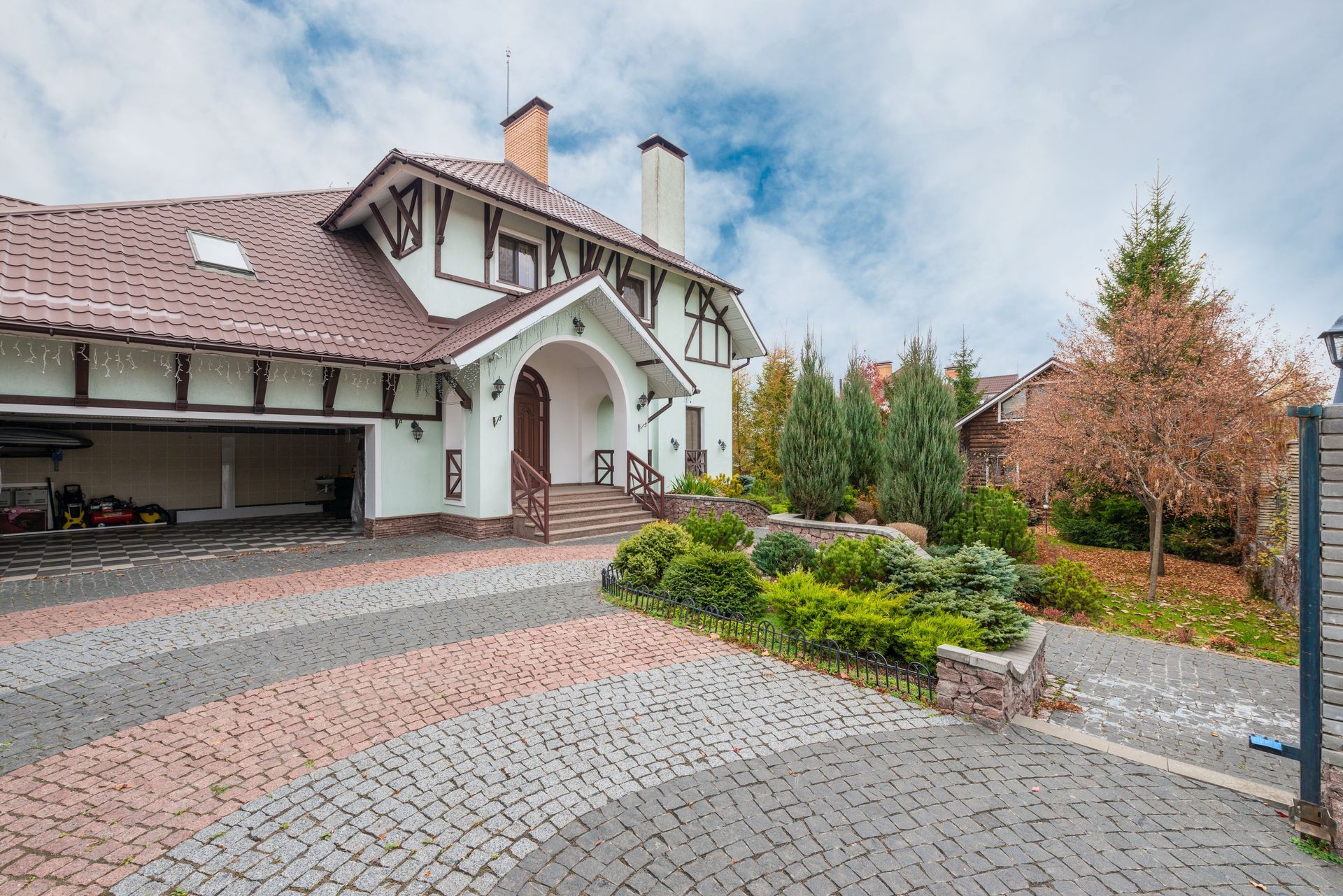
Stampcrete of Maryland installs driveways and decorative concrete surfaces using techniques that balance curb appeal with structural performance under repeated vehicle loads. Residential and commercial properties in Maryland rely on these installations to handle daily traffic, provide adequate traction in wet conditions, and maintain appearance despite exposure to engine fluids, tire rubber, and seasonal temperature swings. The finished driveway looks like natural stone, brick, or premium pavers while delivering the continuity and load distribution that prevent the sinking or separating common with segmented paving systems.
Driveway installation involves subgrade preparation, aggregate base compaction to support vehicle weight, concrete placement with reinforcement, and application of decorative finishes that include stamped patterns, color hardeners, or brushed textures. Each option creates a different visual effect—stamped patterns replicate the joints and surface variation of natural materials, while brushed finishes provide a clean, uniform appearance with slip resistance.
Request a detailed estimate based on your current driveway condition and design preferences.
What Changes After Installation Completes
The team prepares the base using compaction equipment that ensures consistent density across the entire driveway footprint, then places concrete in sections with control joints that manage thermal expansion and contraction without creating visible surface cracks. Stampcrete of Maryland applies color and pattern using methods that penetrate the concrete surface rather than relying on topical coatings that wear away under tire friction.
After curing and sealing, the driveway surface sheds water instead of absorbing it, which prevents the freeze-thaw damage that causes spalling and pothole formation during Maryland winters. Oil drips from parked vehicles wash away more easily from the sealed surface, and the color remains consistent across the entire driveway rather than fading in high-traffic wheel paths. You'll notice the surface stays level where it meets the garage floor or street, without the dips or humps that develop when base materials settle unevenly.
The extensive selection of colors, textures, and stamp patterns allows customization that fits your home's architectural style—options range from slate and cobblestone reproductions to geometric designs or simple brushed finishes. Installation includes edge details that prevent soil erosion along the driveway perimeter and grading that directs runoff toward appropriate drainage areas rather than pooling on the surface or flowing toward foundation walls.
Answers to Frequent Service Questions
Homeowners considering driveway upgrades usually ask about material performance and installation logistics before moving forward with decorative concrete options.
- What base thickness is required for a residential driveway? A compacted aggregate base typically measures four to six inches deep depending on soil conditions and expected vehicle weight, with the concrete itself poured at four inches minimum to support passenger vehicles and light trucks.
- How soon can vehicles drive on a new driveway? Concrete reaches sufficient strength for light traffic within seven days, though full curing continues for several weeks—heavy vehicles or sharp steering movements should be avoided during the initial curing period to prevent surface damage.
- What pattern options mimic natural stone most convincingly? Ashlar slate, random stone, and European fan patterns replicate the irregular shapes and joint patterns found in natural stone installations, while the color hardener creates tonal variation similar to real stone surfaces.
- How does decorative concrete compare to asphalt for Maryland driveways? Concrete resists rutting from hot summer temperatures and doesn't require periodic resurfacing like asphalt, though it costs more initially—the sealed surface also resists oil penetration better than porous asphalt.
- What maintenance keeps a stamped driveway looking new? Pressure washing removes accumulated dirt and grime, and resealing every two to three years maintains the protective barrier that prevents staining and surface wear from UV exposure and chemical contact.
Stampcrete of Maryland completes driveway installations for properties throughout the region, using materials and methods selected for long-term performance under Maryland's climate conditions. Schedule a consultation to review layout requirements and explore pattern options suited to your home's exterior.