
Pathways That Direct Foot Traffic Safely
Walkways, Retaining Walls & Landscape Features in Maryland for properties needing grade transitions and defined pedestrian routes
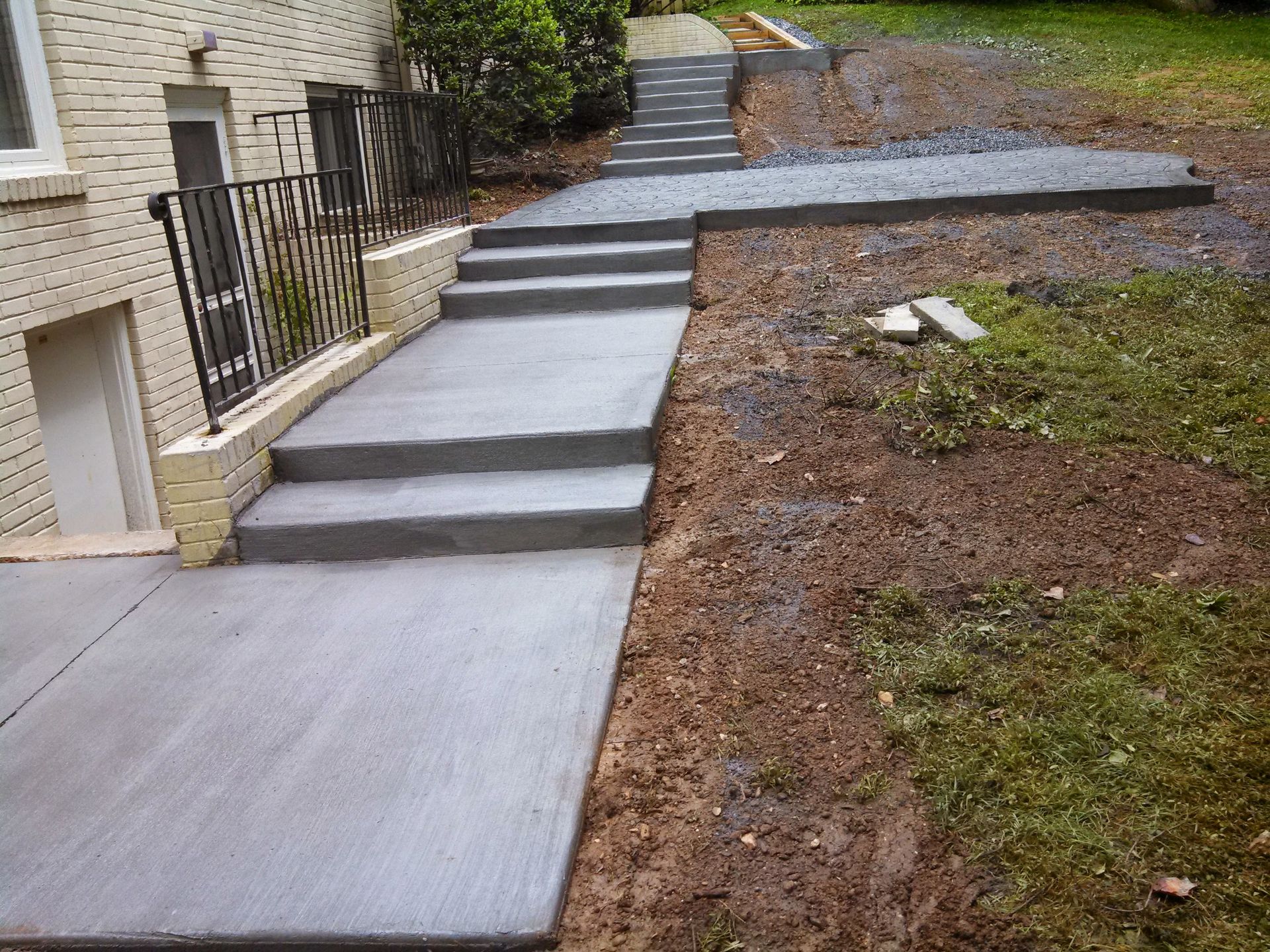
Uneven ground, sloped yards, and undefined pathways create tripping hazards and erosion problems that worsen with each rain event. Stampcrete of Maryland installs decorative walkways and retaining walls that solve these functional issues while adding visual cohesion to your landscape design. Maryland properties with elevation changes or areas where foot traffic wears down grass benefit from stamped concrete solutions that provide stable surfaces and prevent soil movement.
Walkway installation includes excavation to consistent depth, gravel base placement, and concrete finishing with stamped patterns and integral color that match your existing hardscaping or home exterior. Retaining walls are built using techniques that address drainage behind the wall and manage lateral soil pressure, preventing the bulging or tilting that occurs when water accumulates without proper relief.
Arrange an on-site consultation to assess slope conditions and review pattern options for your landscape project.
How This Service Addresses Erosion and Access Issues
The installation process begins with site evaluation to determine where grade changes require structural support and where walkways should route foot traffic to minimize turf damage. Retaining walls are poured or assembled with integrated drainage systems that channel groundwater away from the wall face, and walkways are sloped slightly to prevent standing water after rainfall.
Once the work is complete, you'll see clearly defined paths that remain firm underfoot during wet weather, no mud tracked into the house from worn grass routes, and slope areas that no longer wash out during storms. The retaining wall holds soil in place without shifting forward, and plantings along the wall base stay rooted instead of eroding downhill.
Stampcrete of Maryland handles every aspect in-house, from initial grading through final sealing, so quality standards remain consistent across site preparation, concrete placement, and decorative finishing. Pattern and color selections include options that replicate flagstone, cobblestone, or slate, allowing walkways and walls to coordinate with patios, driveways, or other hardscaping elements already present on your property..
Common Questions About This Service
Property owners typically want to know how decorative concrete walkways and retaining walls perform compared to traditional materials before deciding on installation.
- What determines the height and placement of a retaining wall? Wall height is based on the vertical grade change that needs stabilization, and placement is determined by where soil pressure is greatest and where drainage can be directed away from structures or low-lying areas.
- How does stamped concrete compare to individual pavers for walkways? Stamped concrete provides a continuous surface without the weed growth or shifting that occurs between individual pavers, and it requires less maintenance since there are no joints to re-sand or reset after freeze-thaw movement.
- What happens if the ground settles under a walkway? Proper base preparation with compacted gravel minimizes settlement risk, but if minor settling occurs, the continuous concrete surface shows smaller cracks rather than the large gaps and trip hazards created when individual pavers drop unevenly.
- How wide should a landscape walkway be? Width depends on intended use—primary pathways from driveways to entries typically measure four to five feet to accommodate two people walking side by side, while secondary garden paths can be narrower.
- What colors work best for Maryland landscapes? Earth tones, gray blends, and sandstone shades coordinate well with regional vegetation and brick or stone home exteriors common throughout Maryland, though darker charcoal or terracotta options provide contrast when desired.
Stampcrete of Maryland designs landscape features that solve practical site issues while enhancing the overall appearance of your outdoor spaces. Contact us to discuss grading challenges and design preferences specific to your property.